Korean Artificial Marble: Types, Uses, Benefits & Cost Guide
Thu Oct 22 2026
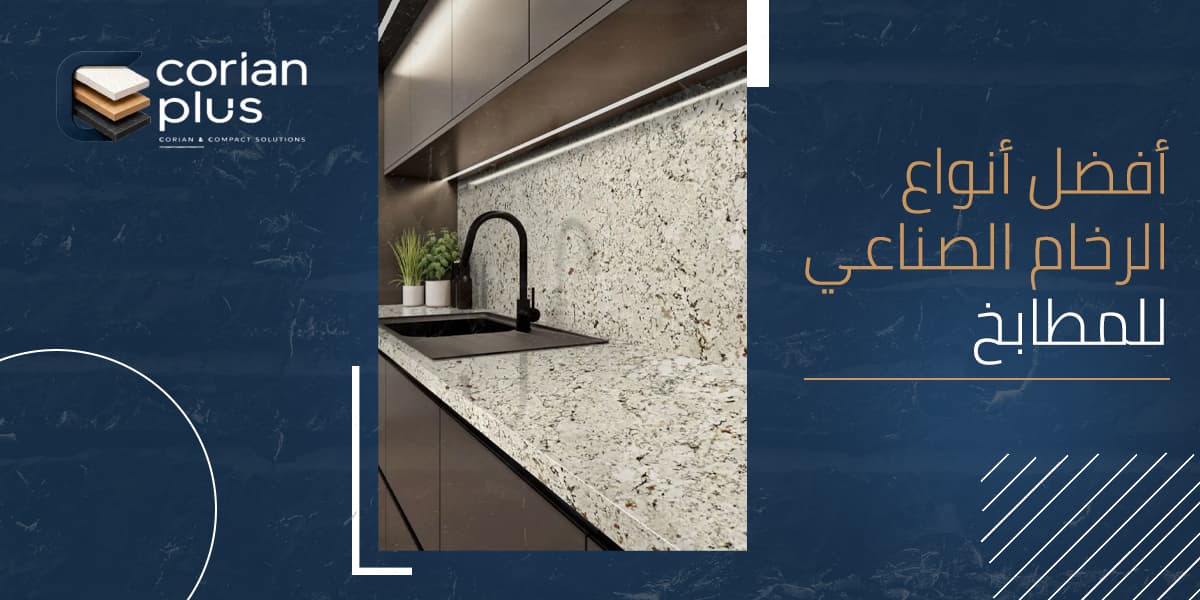
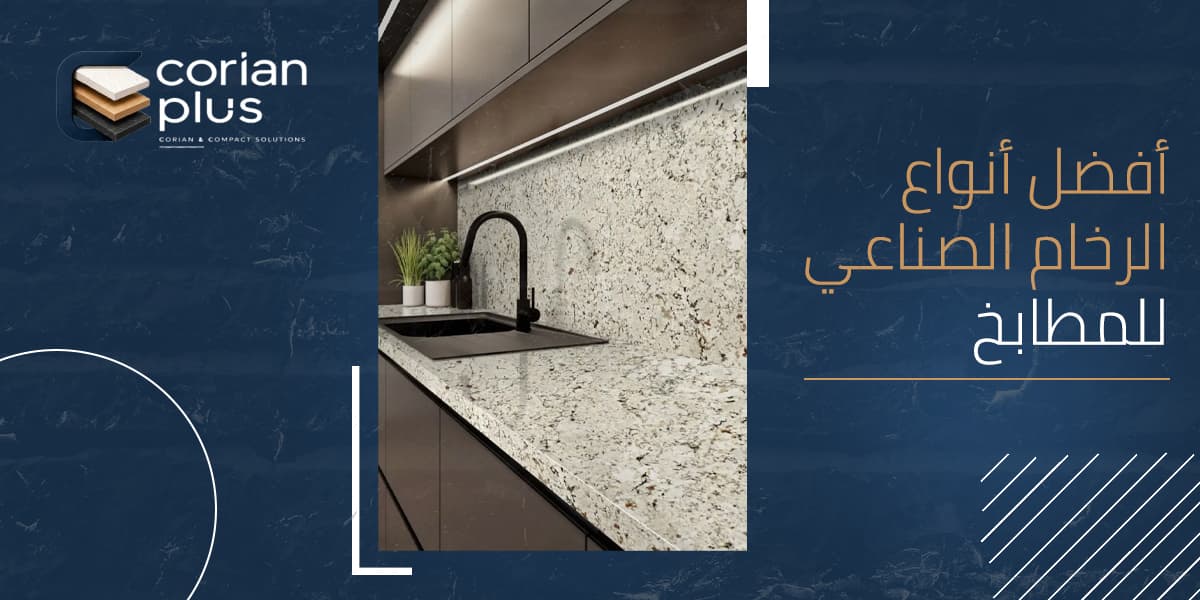
Are you looking for the ideal surface for your kitchen or project? Original korean artificial marble is one of the best choices available, thanks to its high forming flexibility, luxurious appearance, and seamless finish without visible joints.
In this article, we explore the key features of korean artificial marble, how to distinguish it from imitation types, and the essential standards for installation and choosing the right company. We also highlight the solutions offered by Corian Plus and their expertise in executing solid surfaces with top-tier quality and professionalism to guarantee a long-lasting, exceptional result.
What is Solid Surfaces (Acrylic Marble)?
Solid surfaces represent an advanced manufacturing material classified as non-porous worktops. They consist of a blend of approximately 33% pure acrylic resin, 66% natural minerals and materials, and color pigments. This composition grants the material the strength and durability of natural stone, combined with high flexibility that allows for thermal forming and various curves and custom designs without visible seams.
Most Famous Original Korean Brands in the Market
South Korea is a pioneer in the solid surface manufacturing industry. The market features several renowned original Korean brands, most notably:
Staron (Formerly Samsung): One of the most famous Korean brands, known for its diverse colors, elegant designs, and high resistance to stains and bacteria.
LG Hausys / LX Hausys (HI-MACS): Known for exceptional durability, excellent thermal formability, and suitability for backlighting applications.
Hanex: Produced by Hyundai L&C, recognized for color consistency, resistance to heat and scratches, and extensive use in healthcare and commercial projects.
Advantages Over Natural Marble
When choosing a suitable material for kitchens and practical work surfaces, considerations extend beyond aesthetics to ease of use, cleaning, durability, and renewability. Here, solid surfaces stand out with distinct practical features compared to natural marble, especially in applications requiring high hygiene and low maintenance:
Non-Porous and Superior Hygiene: Features a solid, non-porous surface that minimizes liquid absorption and reduces the accumulation of bacteria, germs, and mold, unlike natural marble which can be affected by moisture.
Seamless Integration and Thermoforming: Highly flexible for thermal forming to create complex curves and angles. Parts are joined using specialized acrylic adhesives so surfaces appear as a single continuous piece without visible joints.
High Resistance to Stains and Oils: Due to its non-porous nature, it does not easily absorb oils, tea, or coffee, making it easy to clean and ideal for daily use compared to natural marble.
Repairability and Renewal: If the countertop gets scratched or experiences minor impacts over time, it can be sanded and polished to restore its original appearance without replacing the entire slab.
Disadvantages and How to Handle Them
Despite its numerous advantages, understanding certain characteristics helps maintain the quality, appearance, and lifespan of your korean artificial marble kitchen:
Sensitivity to Direct High Heat:
Cause: The acrylic content makes it vulnerable to extremely hot pots and pans.
Solution: Use trivets beneath hot cookware or install stainless steel rods next to the stove.
Higher Initial Cost:
Cause: The use of pure acrylic and high-grade minerals makes original material more expensive than lower-quality alternatives.
Solution: View it as a long-term investment, especially given its repairability and renewability, which reduces the need for frequent replacements.
Susceptibility to Scratches from Improper Use:
Cause: Its flexible nature makes it prone to scratching if sharp knives and tools are used directly on the surface.
Solution: Always use cutting boards. Minor scratches can easily be buffed out through sanding and polishing.
Invest in the quality of original materials with Corian Plus! Get authentic supplies and professional installation backed by a certified warranty. Contact us for a free site inspection, consultation, and tailored solutions for your project.
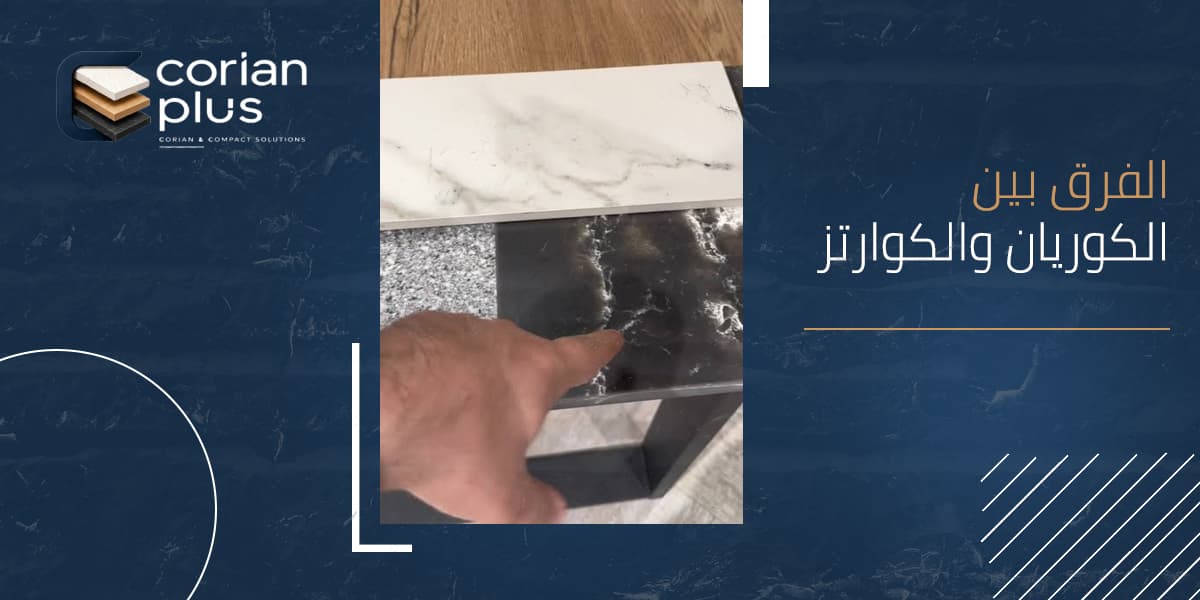
Original Korean vs. Chinese Artificial Marble / Polyester
Low-cost Chinese alternatives are sometimes marketed as original Korean materials. Understanding the basic differences protects your investment:
Comparison Point | Original Korean Artificial Marble [2] (LG, Staron, Hanex) | Chinese Artificial Marble / Polyester |
Primary Raw Material | 100% pure acrylic with natural minerals. | Low-grade polyester resins with little to no acrylic. |
Flexibility & Thermoforming | Easily thermoformed into complex curves and custom designs. | Less flexible, more prone to cracking, does not thermoform easily. |
Seam & Joint Appearance | Joined with specialized acrylic adhesive to look completely seamless. | Seam lines and joints often become visible over time, trapping dirt. |
Color Stability | Maintains stable colors and resists fading with use. | Prone to fading or discoloration from heat and environmental factors. |
Liquid & Bacteria Resistance | Non-porous surface resists water/oil and limits bacterial growth. | May contain micro-pores that absorb liquids and form stains. |
Repair & Maintenance | Can be sanded and polished to renew the surface. | Difficult to repair when cracked; sanding can ruin the finish. |
Odor & Safety | Safe for use, with no harsh chemical odors during normal use. | May emit strong plastic or chemical odors during cutting and fabrication. |
Stamp & Warranty | Features factory stamps/identifiers and official brand warranties. | Often sold without clear origin data or verified warranties. |
Available Colors and Patterns
Solid surfaces offer a wide variety of colors and patterns suitable for modern kitchens, commercial spaces, and luxury hospitality venues. Corian Plus provides diverse original designs and official catalogs from leading Korean brands:
Solid Colors: Perfect for minimalist modern designs. Glacier White creates an expansive, clean look, accompanied by light gray, off-white, and luxury black.
Granite & Sand Patterns: Mimicking natural stones with fine-to-medium grains in blended tones like sandy beige, cement gray, and crystal black, providing visual depth and hiding everyday wear.
Veined / Marble Looks: A luxurious option featuring flowing veins mimicking natural marble (such as Carrara), combined with the non-porous benefits and seamless integration of a korean marble top [3].
Corian Plus provides authentic matching acrylic adhesive to ensure flawless bonding and invisible seams.
Korean Artificial Marble Price and Financial Factors
Prices in the market are influenced by exchange rates, import costs, and the specific brand of acrylic sheets used.
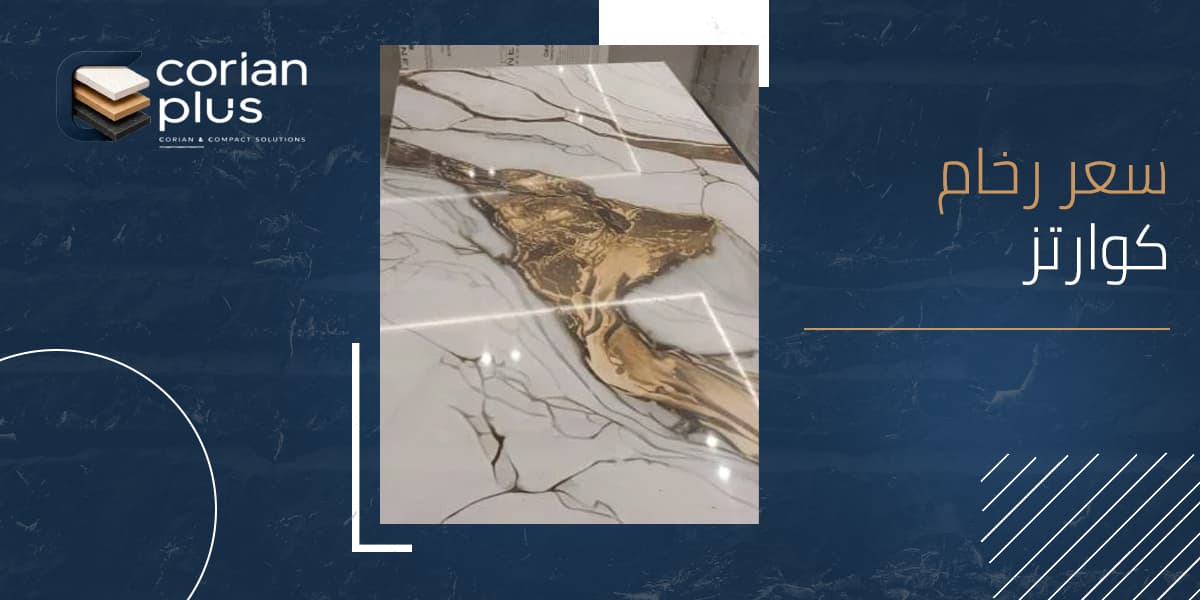
Approximate Average Price: The average linear meter price for original korean artificial marble [5] (including supply, installation, and finishing) ranges between 7,500 and 12,000 EGP, varying for custom designs or luxury color lines.
Pricing depends on several key factors:
Brand and Origin: Costs vary by brand and material authenticity.
Color and Pattern: Solid colors are typically more cost-effective, while veined and granite patterns vary accordingly.
Design Complexity: Curves and thermal forming increase costs compared to straight layouts.
Sinks and Backsplashes: Integrated sinks and wall cladding affect total project expenses.
Slab Thickness: Standard thickness for kitchen countertops is 12 mm, while thinner profiles are used for wall cladding.
Uses and Applications
Thanks to its flexibility and non-porous nature, korean artificial marble [6] accommodates diverse residential, commercial, and medical applications:
Residential Kitchens and Bathrooms:
Kitchen Countertops & Integrated Sinks: Seamlessly molded to prevent water leakage and mold growth.
Bathroom Vanities & Wall Cladding: Ideal for shower cabins and moisture-heavy spaces.
Clinics, Hospitals, and Medical Centers:
Operating Rooms & Labs: Highly hygienic, easy to clean, and disinfect.
Sterilization Sinks & Examination Tables: Rounded corners between surfaces and walls eliminate dust traps.
Reception Counters in Companies, Restaurants, and Hotels:
Reception Desks: Fluid, curved shapes customized with corporate logos via CNC machining.
Restaurant & Café Tables: Elegant, durable, and practical for heavy daily use.
Important Tips Before Purchasing and Installing
Check the Back Stamp: Verify the brand name and country of origin printed on the back of the slab before cutting.
Match Adhesive Color: Ensure the bonding adhesive matches the slab code for invisible seams.
Verify Slab Thickness: The standard thickness for korean artificial marble kitchen counters is 12 mm.
Inspection and Measurement: Technicians should perform accurate on-site measurements prior to fabrication.
Obtain an Official Warranty Certificate: Secure a written, verified warranty covering your purchase.
Corian Plus offers slab inspections before cutting, along with a written 10-year warranty guaranteeing material quality and precision craftsmanship.
Conclusion
Original korean artificial marble represents the ideal choice for anyone seeking luxury, practicality, and longevity for kitchens, commercial projects, or medical facilities. Quality materials reach their full potential only through professional execution.
With Corian Plus, you receive genuine materials, precision CNC fabrication, a 10-year written warranty, and over 20 years of expertise in executing premium solid surface projects.
Contact us today for a free site visit, precise measurements, and expert consultation to choose the best design and color for your project!
Frequently Asked Questions (FAQ)
Does Korean artificial marble get affected by direct heat?
Yes, it can be affected by high and direct heat, so using trivets is recommended to protect your korean artificial marble price investment and surface finish.
How can I clean and polish korean artificial marble?
It is easily cleaned with warm water and dish soap. Mild cleansers can handle tougher spots.
Can korean artificial marble be repaired if scratched or cracked?
Yes, scratches and damage can be repaired through sanding, polishing, or specialized acrylic repair materials to restore a uniform appearance.