?Corian vs Quartz Price: Which Countertop Saves More
?Corian vs Quartz Price: Which Countertop Saves More
Thu Jul 16 2026
Imagine spending thousands of dollars on a gorgeous new kitchen remodel, only to watch your brand-new countertops chip, stain, or crack within the first year of daily use. When comparing materials, you will find that the comparison almost always boils down to the two most popular options in the market: Corian (solid surface) and Quartz. While both boast incredible features that make them outstanding choices, deciding between them can be deeply confusing, especially when factoring in the corian vs quartz price and long-term durability.
Corian captures attention with its seamless, flowing design and the ability to be installed with absolutely no visible joints, giving surfaces an ultra-modern, sleek look. On the other hand, Quartz is renowned for its extreme hardness and superior ability to resist scratches and heavy daily wear. With contrasting opinions and endless recommendations, it can be tough to determine which material offers the best value for your money.
That is why we have prepared this comprehensive guide at corianplus to show you the practical differences between Corian and Quartz in terms of durability, appearance, maintenance, cost, and lifespan, helping you confidently choose the material that fits your needs, budget, and home design.
What is Quartz Stone?
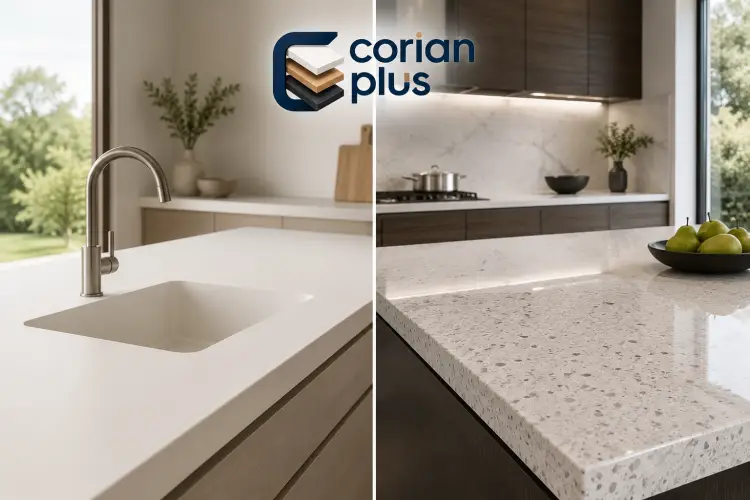
Quartz is one of the most advanced and widely used materials in modern kitchen and bathroom countertop designs, as well as high-end interior applications, thanks to its exceptional durability and elegant appearance. Although many refer to it as "synthetic marble," it is scientifically classified as an engineered stone. It beautifully combines the structural strength of natural stone with modern manufacturing precision.
Quartz slabs are manufactured from approximately 90% to 93% ground natural quartz crystals—which are among the hardest minerals on Earth—blended with 7% to 10% polymer resins, binders, and pigments. This is where the physical distinction lies when evaluating the corian vs quartz price, as the high mineral content yields highly consolidated, non-porous slabs. Understanding the corian vs quartz price dynamic helps explain why many homeowners lean towards engineered stone. These slabs are incredibly strong and come in an extensive array of colors and patterns to suit various interior decor styles.
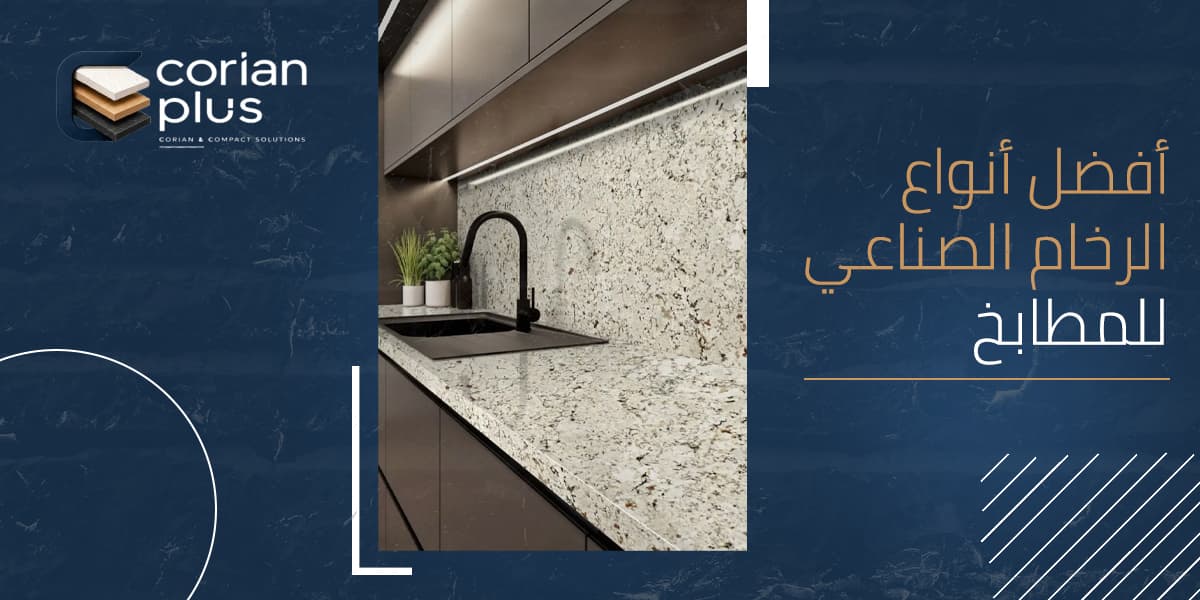
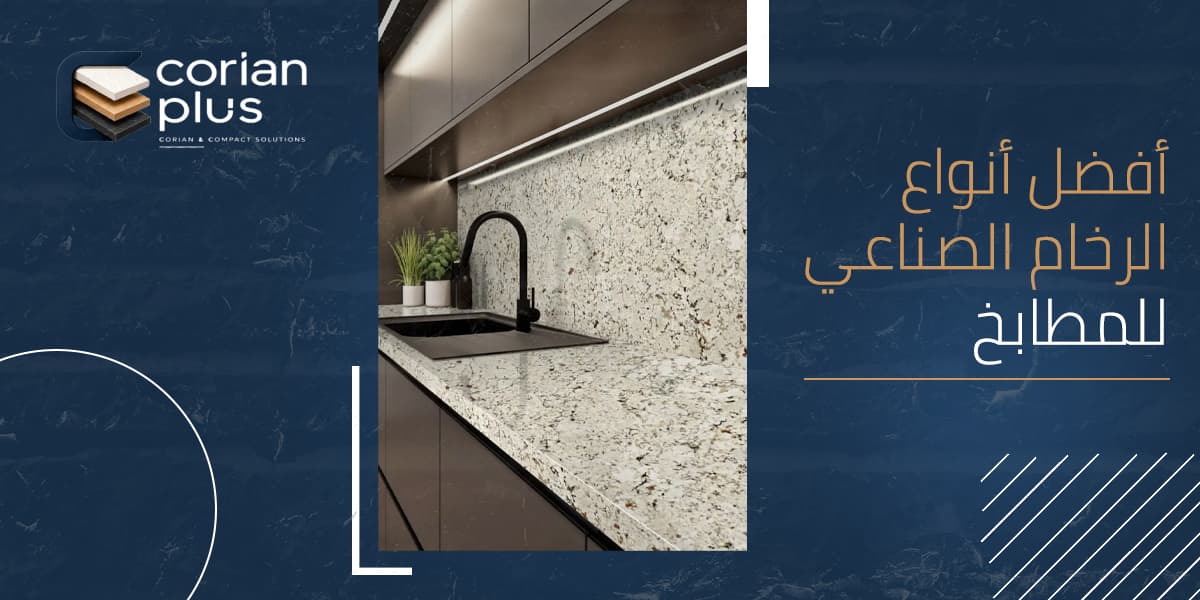
Sleek & modern designs: Discover why Corian Marble for Kitchens is the ultimate choice for seamless, non-porous, and hygienic countertops
Key Advantages of Quartz:
Superior Scratch and Wear Resistance: Quartz possesses exceptional hardness that makes it highly resilient against heavy daily use. It resists scratches from food preparation or kitchen utensils much better than many other materials, helping it maintain its brand-new look for years.
Good Heat Tolerance: Quartz withstands the heat of everyday kitchen activities quite well. However, it is highly recommended to use trivets or hot pads for very hot cookware rather than placing them directly on the surface, which protects the resin binders from thermal shock.
Stain and Moisture Resistance: Because Quartz is entirely non-porous, it does not absorb liquids, oils, coffee, or juices. This minimizes the risk of staining or discoloration over time. Cleaning is incredibly simple, requiring only a damp cloth and a mild detergent.
What is Corian?
Corian is one of the most famous brands of solid surface materials used for kitchen and bathroom countertops. It is composed of a specialized blend of natural minerals, pure acrylic resins, and pigments. This formulation produces a homogeneous, non-porous surface that is highly resistant to moisture, easy to clean, and boasts a very modern, premium aesthetic.
When researching the corian countertop price and overall value, you will find that Corian offers a set of unique design benefits that set it apart from engineered and natural stone. When you look at the corian vs quartz price breakdown, Corian stands out for its seamless versatility and warm texture.
Key Advantages of Corian:
Unmatched Design Flexibility: Corian can be thermoformed (heat-molded) into curved shapes, seamless organic profiles, and innovative custom designs that are impossible to execute with harder stone materials.
Seamless Installation: Corian sheets can be joined using matching acrylic adhesives to eliminate visible seams. Sinks can also be integrated directly into the countertop to look like a single, continuous piece, preventing dirt buildup and making cleaning effortless.
Vast Color Palette: It is available in a wide selection of solid colors, translucent patterns, and stone-like textures to match any design vision.
Easy Repairability: Unlike natural stone, most surface scratches, burns, or minor chips in Corian can be easily sanded out, buffed, and repolished on-site to restore its original pristine look.
The ultimate buyer's guide: Explore the Artificial Marble to find the perfect balance between durability and aesthetics
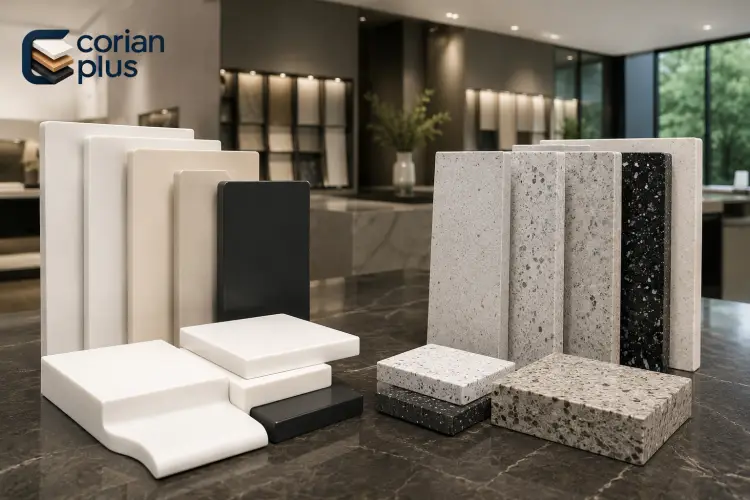
Detailed Comparison: Corian vs Quartz
1. Durability and Lifespan
When comparing durability, Quartz is the clear winner for high-traffic, heavy-use kitchens due to its superior hardness and resistance to impacts, scratches, and stains. It handles daily kitchen abuse with ease. While it tolerates heat well, caution is still advised.
In contrast, Corian is a softer material. It is more prone to scratching from knives and can be scorched by direct heat from hot pots. This durability factor heavily impacts the long-term corian vs quartz price value proposition. However, because Corian is solid all the way through, its lifespan can be extended indefinitely through professional refinishing.
When homeowners compare corian vs quartz vs granite regarding long-term durability, they find that Quartz offers the scratch resistance of granite without the need for periodic sealing, while Corian offers the unique advantage of complete renewability.
2. Design and Aesthetics
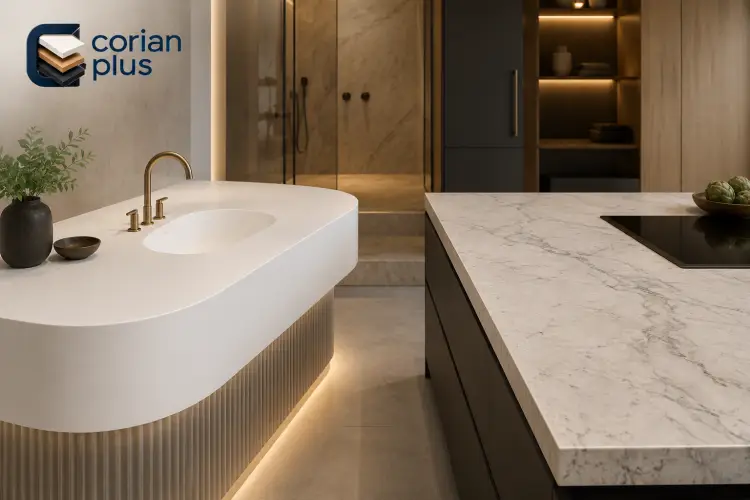
If your design calls for a seamless, continuous look with integrated sinks and no visible joints, Corian is the absolute best choice. Its capability to be thermoformed allows for custom-molded backsplashes and complex curved islands. While aesthetics drive choices, the corian vs quartz price often remains a primary consideration for modern renovations.
On the other hand, Quartz offers a luxurious, high-end stone appearance with dramatic veining that closely mimics natural marble. However, Quartz slabs cannot be joined seamlessly; seams will be slightly visible, and it lacks the structural flexibility to form complex, flowing curves.
3. Maintenance, Cleaning, and Repairs
Corian is exceptionally easy to repair. If you accidentally scratch or chip it, a certified technician from corianplus can sand, buff, and polish the surface back to perfection without replacing the countertop.
Quartz is highly resistant to damage, meaning it rarely chips or cracks under normal use. However, if it does suffer severe damage or a deep crack, repairing it is highly difficult, and the repair seam will usually remain visible. Both materials are non-porous and incredibly hygienic, requiring no sealing or special chemical treatments.
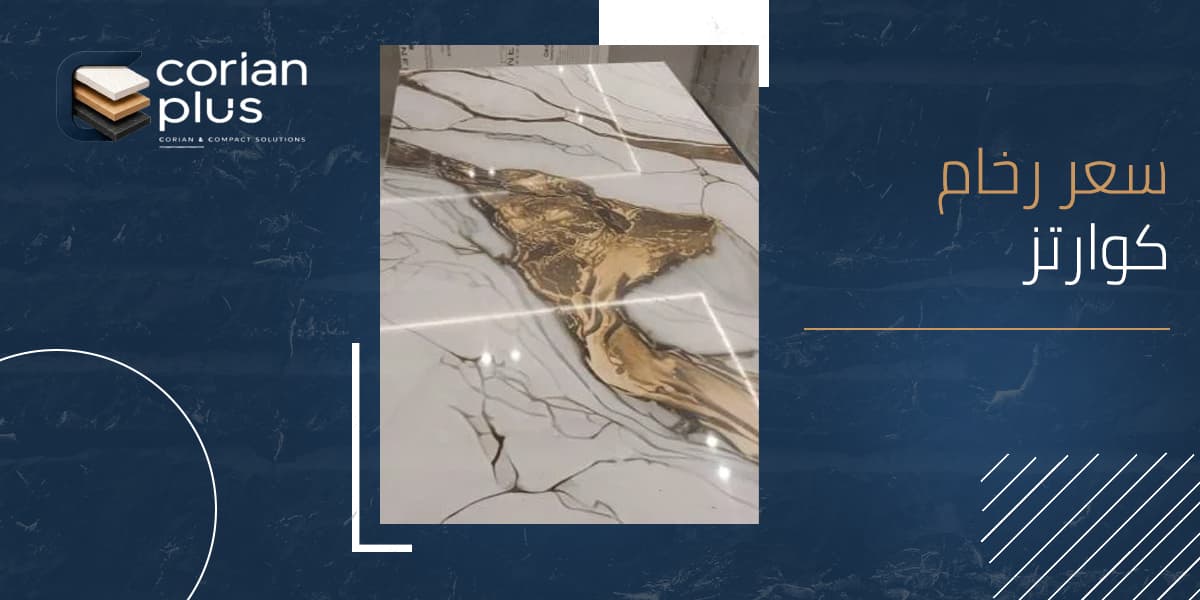
The ultimate buyer's guide: Explore the Quartz Marble Price Guide to find the perfect balance between durability and aesthetics
4. Pricing and Total Cost in Egypt
The total cost of your countertops depends on the material grade, thickness, country of origin, and the complexity of the installation. Generally, the corian vs quartz price comparison places both materials in the mid-to-high-end price bracket.
When analyzing the Corian Quartz price structures in Egypt, the base material cost of high-quality imported Quartz is often comparable to premium Corian. However, the final installed corian vs quartz price can surpass standard estimates if your design includes custom thermoformed curves, complex edges, or integrated seamless sinks that require intensive manual fabrication.
Expert Advice from corianplus: Which is Best for Your Kitchen?
Choosing between Quartz and Corian should depend on your daily kitchen habits and design priorities, rather than just aesthetics. Each material possesses specific strengths that make it ideal for different scenarios.
Choose Quartz if:
You use your kitchen heavily on a daily basis: Especially if you prepare meals from scratch daily, handle heavy cookware, and need a surface that can keep up with a busy family.
You want the ultimate scratch and stain resistance: Quartz stands up to knives, heavy drops, and colored liquids with maximum resilience, keeping the corian vs quartz price equation highly favorable for active kitchens.
You want a low-maintenance surface: If you want a luxurious countertop that retains its polished look for decades with the absolute minimum amount of care and zero sealing.
You prefer a natural stone aesthetic: When comparing corian vs quartz vs granite, Quartz provides the premium, heavy feel and look of natural stone without any of granite's porosity or maintenance drawbacks.
Choose Corian if:
You love seamless, minimalist designs: If you want a modern kitchen with continuous countertops, integrated backsplashes, and no visible joints where dirt can accumulate.
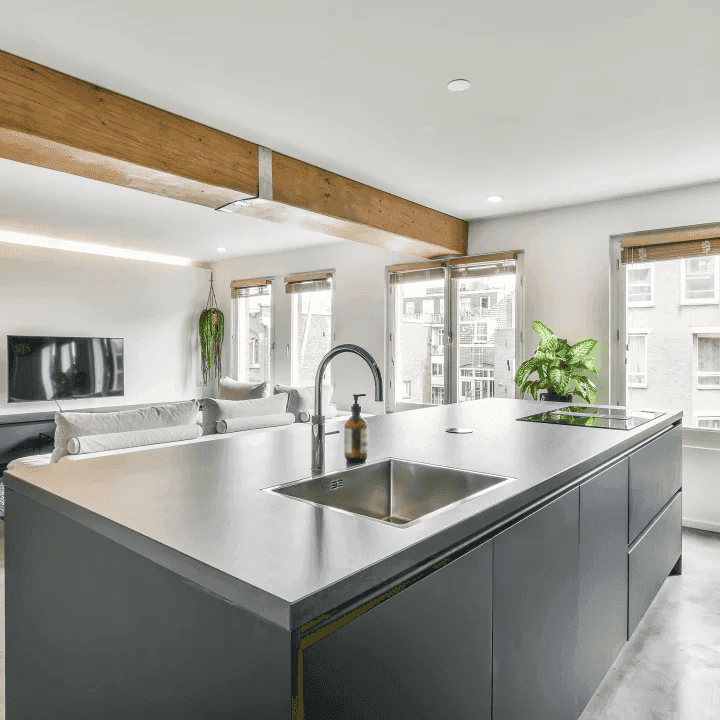
You want an integrated sink: Merging your sink seamlessly into the countertop creates a beautiful, hygienic setup that looks like a single molded piece.
You require custom, curved, or organic shapes: Corian's unique thermoforming ability allows corianplus to create bespoke curves, rounded corners, and custom commercial designs that are impossible to replicate with engineered stone.
You value renewability: If you want peace of mind knowing that any scratch, stain, or burn can be easily sanded away, returning the surface to its original glory.
Summary of the Comparison
In the corian vs quartz price debate, there is no single "best" material; instead, there is a material that best fits your specific lifestyle. If your priority is extreme durability, scratch resistance, and a heavy stone feel, Quartz is your perfect match. If you prefer seamless designs, integrated sinks, custom shapes, and a material that can be easily repaired and renewed over time, Corian is the ideal choice.
Regardless of the material you choose, the quality of fabrication and installation is just as critical as the material itself. Professional installation ensures a flawless appearance, tight seams, proper support, and the longest possible lifespan for your kitchen or bathroom surfaces.
At corianplus, we provide premium quality Quartz and Corian materials, supported by a specialized team of design and installation experts. We are dedicated to executing every project with the highest standards of precision and craftsmanship. Contact us at corianplus today for a free consultation, and let us help you select the perfect countertop material based on your design preferences, daily needs, and budget.
Frequently Asked Questions (FAQ)
Does Corian or Quartz stain from spices and lemon juice?
No, not under normal conditions. Quartz is highly stain-resistant because it is non-porous. Corian also resists most stains very well if spills are wiped up promptly. However, it is best practice not to leave highly pigmented spices (like turmeric), lemon juice, or acidic substances sitting on either surface for extended periods to avoid potential surface dulling.
Can Corian be used as a primary kitchen countertop?
Yes, Corian is highly suitable as a primary countertop, especially for medium-use kitchens or design-forward spaces. However, if your kitchen experiences extremely heavy daily use, heavy chopping, and high heat exposure, Quartz might be the more practical choice.
How do Corian and Quartz compare to natural stone?
When comparing corian vs quartz vs granite, both Corian and Quartz are non-porous, making them far more hygienic and easier to maintain than granite, which requires regular sealing to prevent bacterial growth and staining.
Why does the corian countertop price vary so much?
The final corian countertop price is highly dependent on fabrication. While the raw sheets have a standard cost, creating seamless joints, thermoforming curves, integrating solid surface sinks, and polishing the final installation require skilled craftsmanship, which influences the overall project cost.
Why does the corian vs quartz price differ in customized installations?
For customized shapes, the final corian vs quartz price varies because Corian can be seamlessly thermoformed and joined with invisible lines, requiring expert manual fabrication. Quartz, being extremely hard, requires heavy machinery and cannot form seamless curves, which keeps its custom finishing options more structurally linear.
Is the Corian Quartz price difference significant in Egypt?
The initial Corian Quartz price for standard, straight-run countertops is often quite comparable. However, if your design requires custom shapes and seamless integration, Corian fabrication costs can increase, making the final corian vs quartz price fluctuate based on design complexity.